
 EN
EN
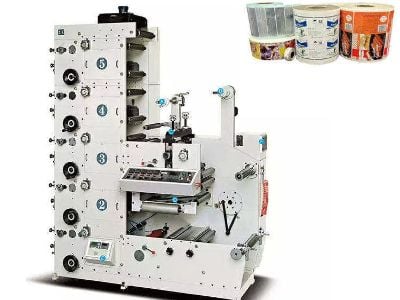
Printing Machines Improving Speed, Quality, and Efficiency for Large-Scale Production
printing is a specialized printing method that works well for producing large volumes of products quickly. At Jingle Blue, we know how important it is for businesses to manufacture products efficiently, and printing machines help achieve that goal. These machines are designed to operate quickly while delivering high-quality prints. As a result, companies can keep their production lines running smoothly with minimal interruptions. printing can be used on materials such as plastic, paper, and cardboard, making it ideal for producing bags, labels, packaging, and many other products. Long production runs help businesses meet customer demand while reducing overall costs.
How Printing Machines Increase Production Speed
printing machines are designed for fast and efficient production. They can print large quantities in a short amount of time, making them ideal for businesses that need high-volume output. For example, if a company needs thousands of product labels, a printing machine can complete the job quickly. Flexo Printing Machine These machines use specially made printing plates to transfer ink onto the material. The plates can be changed easily, allowing operators to switch between different designs with very little downtime. This quick changeover is especially important for businesses that produce a wide variety of products.
The machines are also designed with user-friendly controls, allowing operators to adjust printing speed and ink settings easily. Faster setup means less downtime and greater productivity. Higher production speeds also allow businesses to increase output while maintaining excellent print quality, which is essential for products displayed on retail shelves.
Another advantage is versatility. printing machines can print on many different materials, including surfaces that are difficult for other printing methods. This flexibility allows businesses to expand into new product categories, from food packaging to cleaning product labels. Stack Flexo Printing Machine Many printing machines also use water-based inks, which are more environmentally friendly than some traditional ink systems. These inks dry quickly, helping speed up production while supporting more sustainable manufacturing practices.
How to Choose the Right Printing Machine
Choosing the right printing machine is an important decision for businesses focused on large-scale production. There are many suppliers available, so knowing what to look for can make the selection process much easier.
Start by choosing a supplier with a strong reputation. Read customer reviews, ask for recommendations, and work with experienced manufacturers that understand industrial printing. Experienced suppliers can provide valuable advice and help you select a machine that matches your production requirements.
After-sales support is another important factor. Reliable suppliers offer installation assistance, operator training, technical support, and maintenance services. Fast customer support helps minimize downtime if any issues occur.
It is also beneficial to choose a supplier that offers multiple machine models. Different businesses have different production needs. Some require compact machines for shorter print runs, while others need larger systems capable of continuous, high-volume production.
Customization is another valuable feature. Standard machines may not always meet every production requirement, so suppliers that offer customized solutions can provide equipment better suited to your specific workflow.
By selecting a trusted supplier that provides quality equipment, technical support, and flexible solutions, businesses can improve productivity and achieve greater long-term success.
How Printing Solves Common Production Challenges?
printing is widely used for printing on paper, plastic, cardboard, and flexible packaging materials. However, long production runs can present several challenges.
One common issue is maintaining consistent color throughout the entire print run. Color variations can affect product appearance and quality. Modern printing systems use advanced color monitoring technology that automatically adjusts ink delivery whenever color begins to shift. This helps ensure every printed product maintains the same appearance from beginning to end. Inline Flexo Printing Machine Printing plates also experience wear over time. As plates wear down, print quality can decrease. Using durable printing plates and performing regular inspections helps maintain consistent print performance while reducing unexpected production interruptions.
Material compatibility is another important consideration. Some materials absorb ink differently, increasing the risk of smudging or inconsistent print quality. Careful material selection and proper testing before production help prevent these issues and keep production running efficiently.
Proper preparation, routine maintenance, and quality control all contribute to reliable performance during long printing cycles.
Features That Reduce Downtime and Maintain Print Quality
Downtime is one of the biggest challenges in high-volume manufacturing because every production stop reduces efficiency and increases costs. Modern printing machines include several features that help minimize interruptions.
Fast setup systems allow operators to change jobs quickly. Automatic registration systems accurately align images and colors, reducing setup time and allowing the next production run to begin sooner.
Regular preventive maintenance also plays an important role. Scheduled inspections help identify worn components before they cause equipment failures. Replacing parts early helps prevent unexpected breakdowns that could interrupt production.
Well-trained operators further reduce downtime by quickly identifying and resolving minor issues before they become major problems. Proper training helps maintain smooth production while ensuring consistently high print quality.
Several advanced features also help maintain quality during large production runs. Precision ink metering systems deliver the correct amount of ink to the printing plates, preventing prints from becoming too light or overly saturated. Accurate registration systems keep multiple colors perfectly aligned, producing sharp, professional-looking images without blurring.
Environmental conditions also affect print quality. Monitoring temperature and humidity helps maintain consistent ink performance and material stability throughout production.
Finally, using high-quality inks, printing plates, and substrates contributes to reliable, consistent results. When advanced technology, quality materials, and skilled operators work together, businesses can achieve fast production speeds while maintaining excellent print quality across every large-volume print run.